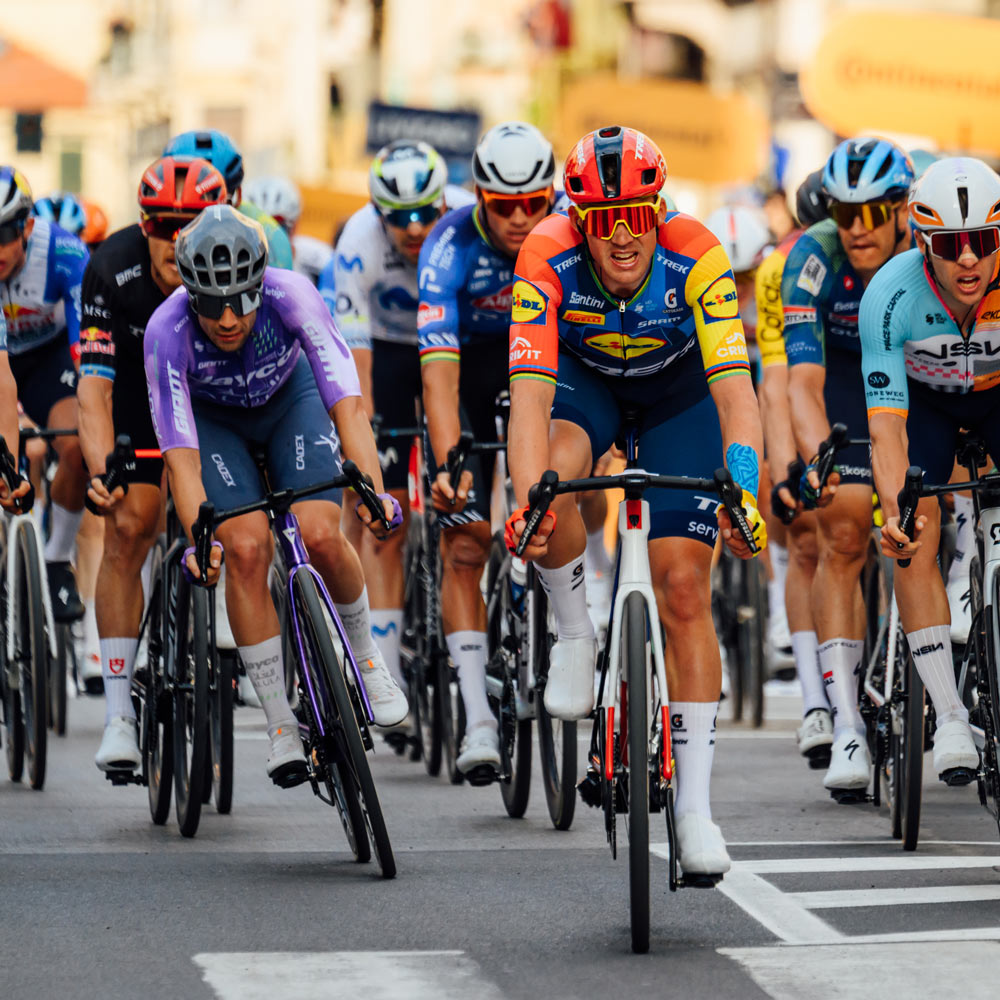
Denmark’s top cyclist on consistency, Grand Tour demands, and why recovery is now the real competitive edge.
In modern cycling, performance is no longer defined only by what happens on race day. It is defined by what happens in between.
For Denmark’s top cyclist, Mads Pedersen, that reality became especially clear during his return to racing at Milano–Sanremo. After injury uncertainty, his 4th place was more than just a result. It was confirmation.
“It was a good confirmation of my recovery,” Pedersen explains.
“Honestly, it was amazing how quickly I recovered. It showed me what my body is truly capable of.”
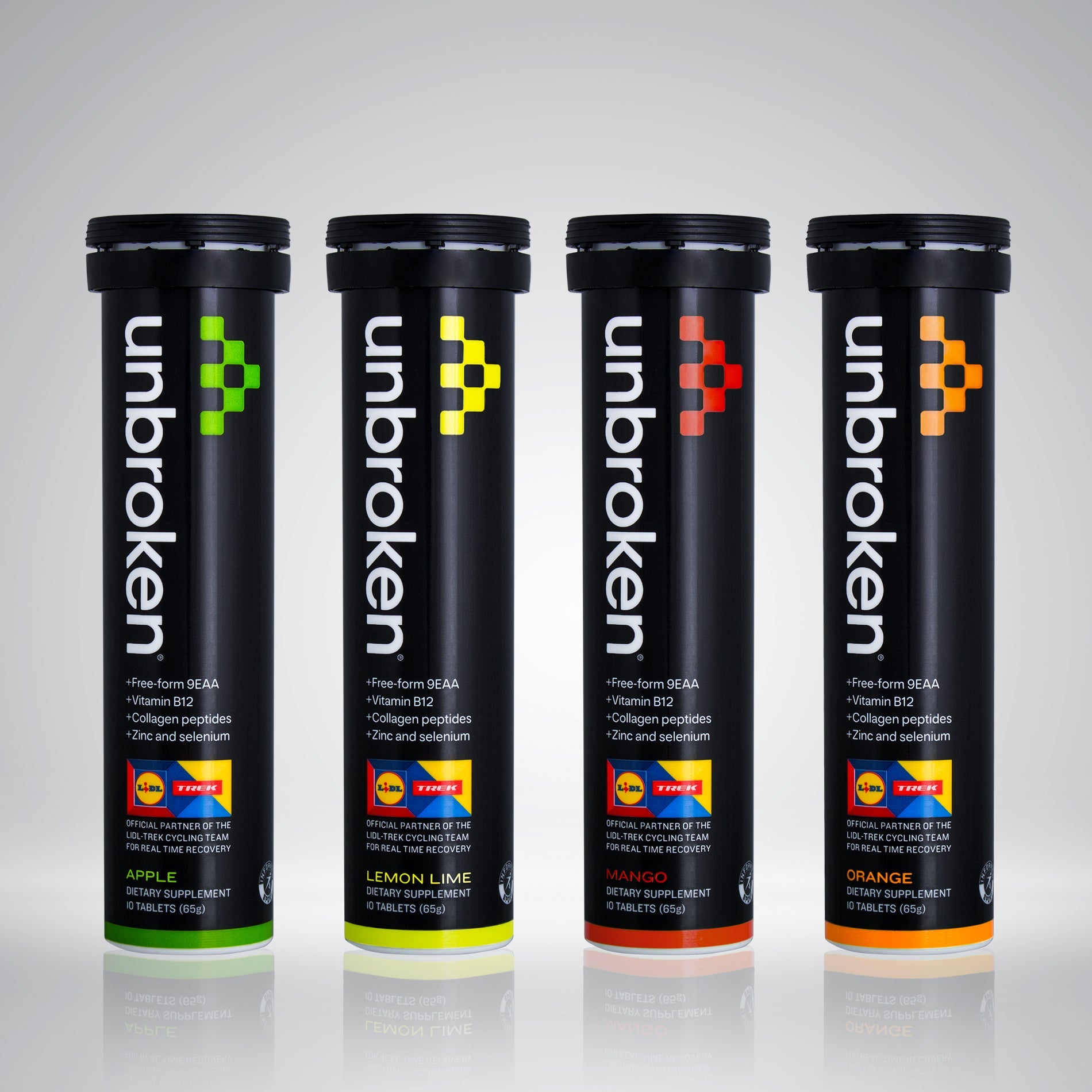
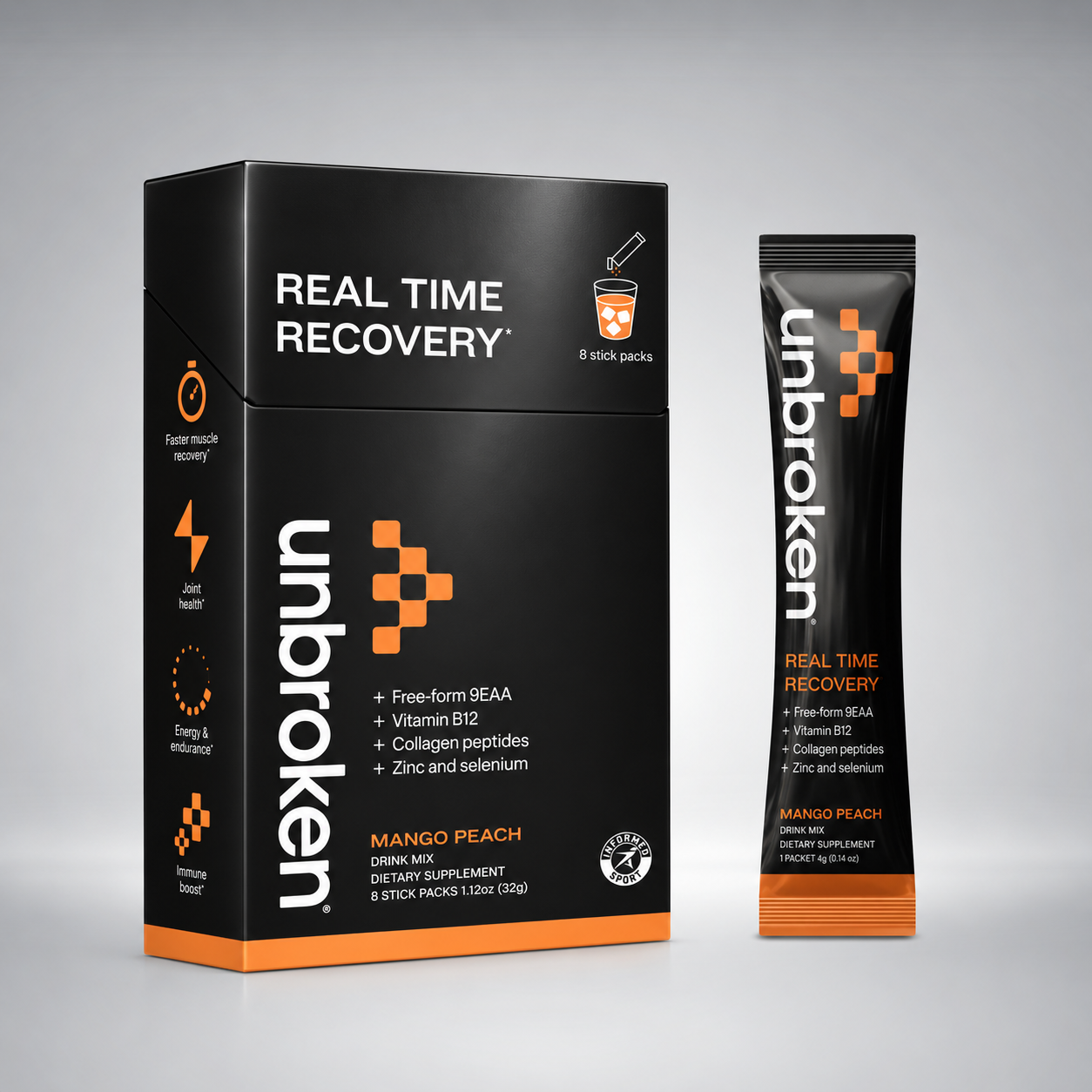
That ability to recover quickly is increasingly what separates the best from the rest. It is also why structured recovery solutions like Unbroken Real Time Recovery are becoming part of the daily routine at WorldTour level.
Recovery as the Real Competitive Edge
At WorldTour level, training methods are no longer a secret. Riders across teams follow highly optimized programs. The real difference is how well they can absorb the workload.
“Everyone knows how to train,” Pedersen says. “But what is important is being fully recovered, so you can get the most out of your body in each training session. This is where you see gains.”
Recovery is no longer passive. It is an active, structured part of performance. Riders who recover better can train harder, race stronger, and maintain consistency across a long season.
For Pedersen, consistency has been a key area of development. Working closely with his coach, Mattias Reck, he has refined the balance between load and rest.
“I take care of my body to make sure I recover well between each session, so I’m ready to train hard,” he says.
Small Margins, Big Outcomes
At 30, Pedersen’s mindset has evolved, but his ambition remains unchanged. “I still want to win as much as possible,” he says. “But now the goals are bigger. Winning monuments.”
In that pursuit, marginal gains matter. Not just in equipment or aerodynamics, but in how quickly the body can reset after stress.
Recovery influences everything. Muscle repair, energy levels, mental freshness, and the ability to repeat high-intensity efforts day after day. Over time, these small improvements compound into meaningful performance gains.
Integrating Unbroken Real Time Recovery
That is where Unbroken Real Time Recovery fits into Pedersen’s routine. After the biggest days in Grand Tours, when the body is under maximum load, recovery starts immediately. Pedersen takes Unbroken during his cool-down, already in his bottle, as the work on the bike finishes.
“Unbroken fits easily into my routine. I take it right after training, it’s ready in my bottle during cool-down,” he says.
In stage racing, that timing matters. What you do in the minutes after the finish line impacts how you perform the next day.
“It helps replace the essential amino acids I’ve lost, and I feel less sore the next day,” he explains.
Less soreness. Faster reset. Ready to go again. In a Grand Tour, that is not a marginal gain. It is essential.
Unbroken is based on free-form amino acids that are rapidly absorbed and easy on the stomach, supporting recovery without adding digestive strain.
Leadership Through Discipline
As one of the most experienced riders on Lidl–Trek, Pedersen helps shape the team culture through his approach. “I know the other guys look to me, but I’m just doing what I have learned works best for me,” he says. That includes knowing when to switch off.
“When I’m not training or racing, I try to do as little as possible. Not stressing about things I can’t change.”
Mental recovery plays a role in long-term performance. Time with family, stepping away from cycling, and maintaining balance all contribute to staying competitive across a long season.
Fueling the Engine
If there is one principle Pedersen emphasizes, it is simple but often overlooked. “It’s important to eat enough to fuel the engine. Cars don’t run without enough petrol and nor does an athlete’s body.”
That mindset underpins everything. Nutrition, recovery, and daily habits all work together to support performance.
Looking Ahead
Pedersen’s ambitions remain clear. He wants to keep winning and secure a monument victory before the end of his career.
In modern cycling, recovery is no longer an afterthought. It is a performance driver.
For Mads Pedersen, it is one of the key reasons he continues to compete at the highest level.
Article originally published on Feltet.dk.
Photo credit: @cauldphoto